Case Study
Building Community Around Cincinnati Opera’s Black Opera Project
Storytelling, strategy, and community partnerships around the world premiere of Lalovavi, an Afrofuturist opera from Cincinnati Opera’s Black Opera Project.
Brief
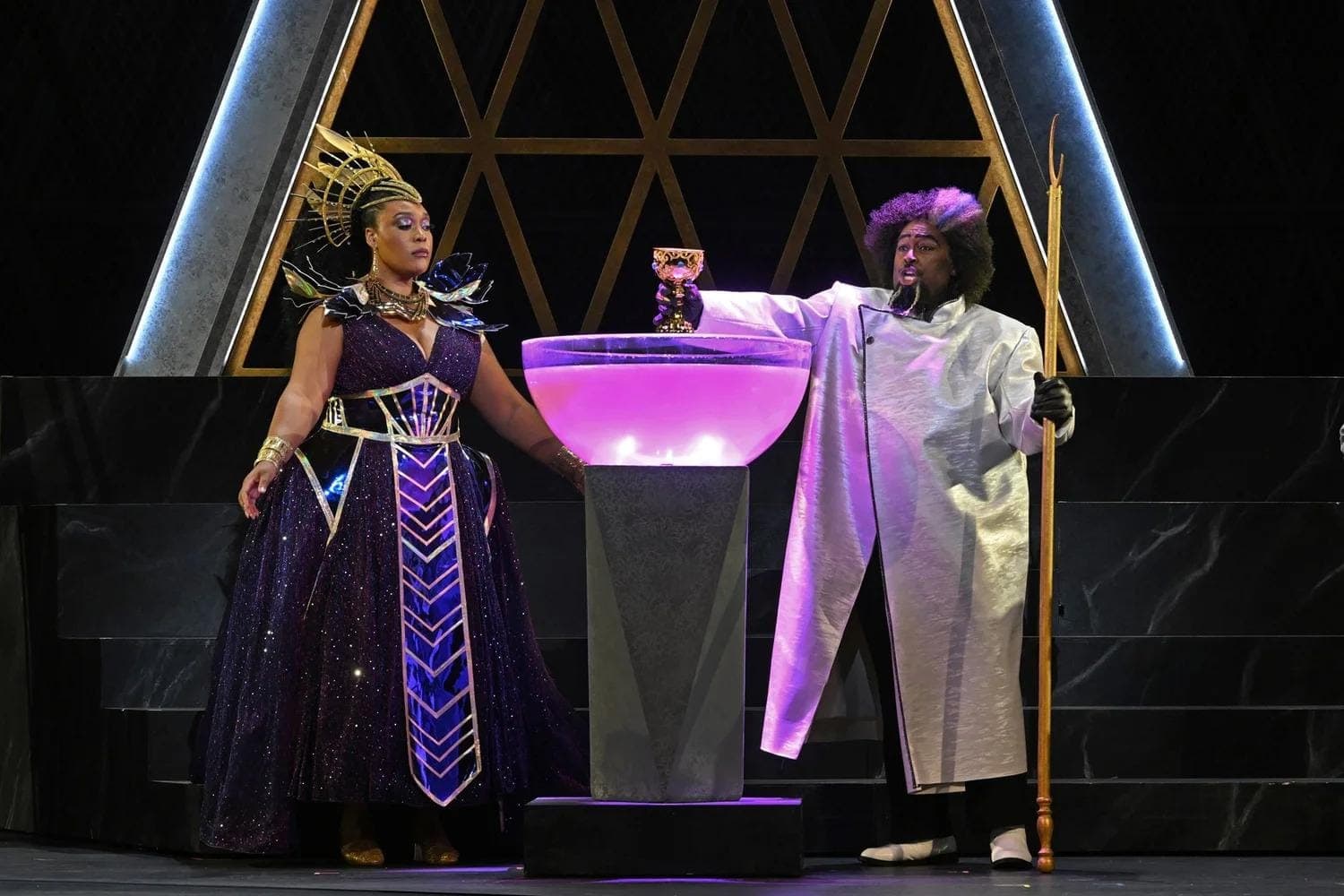
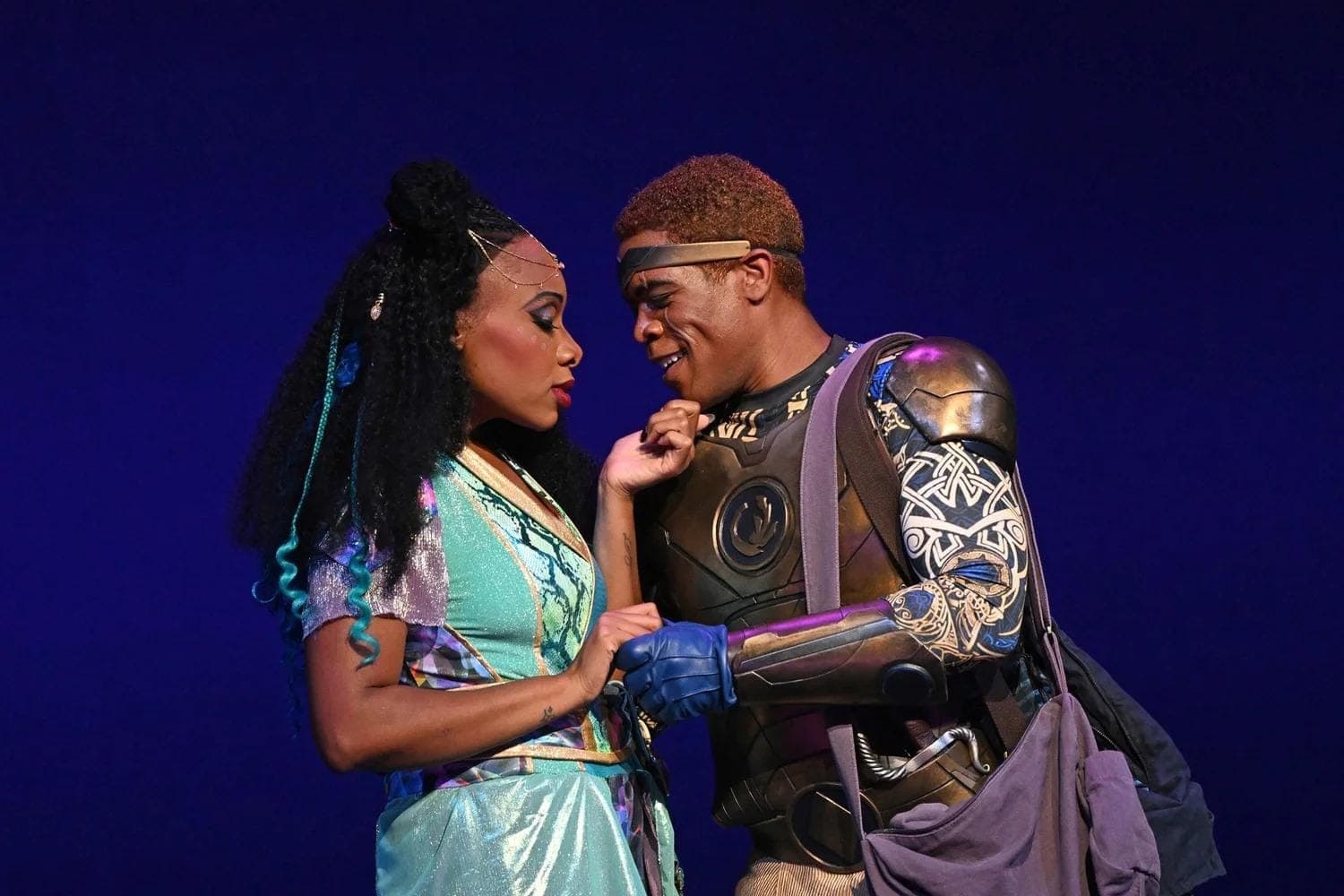
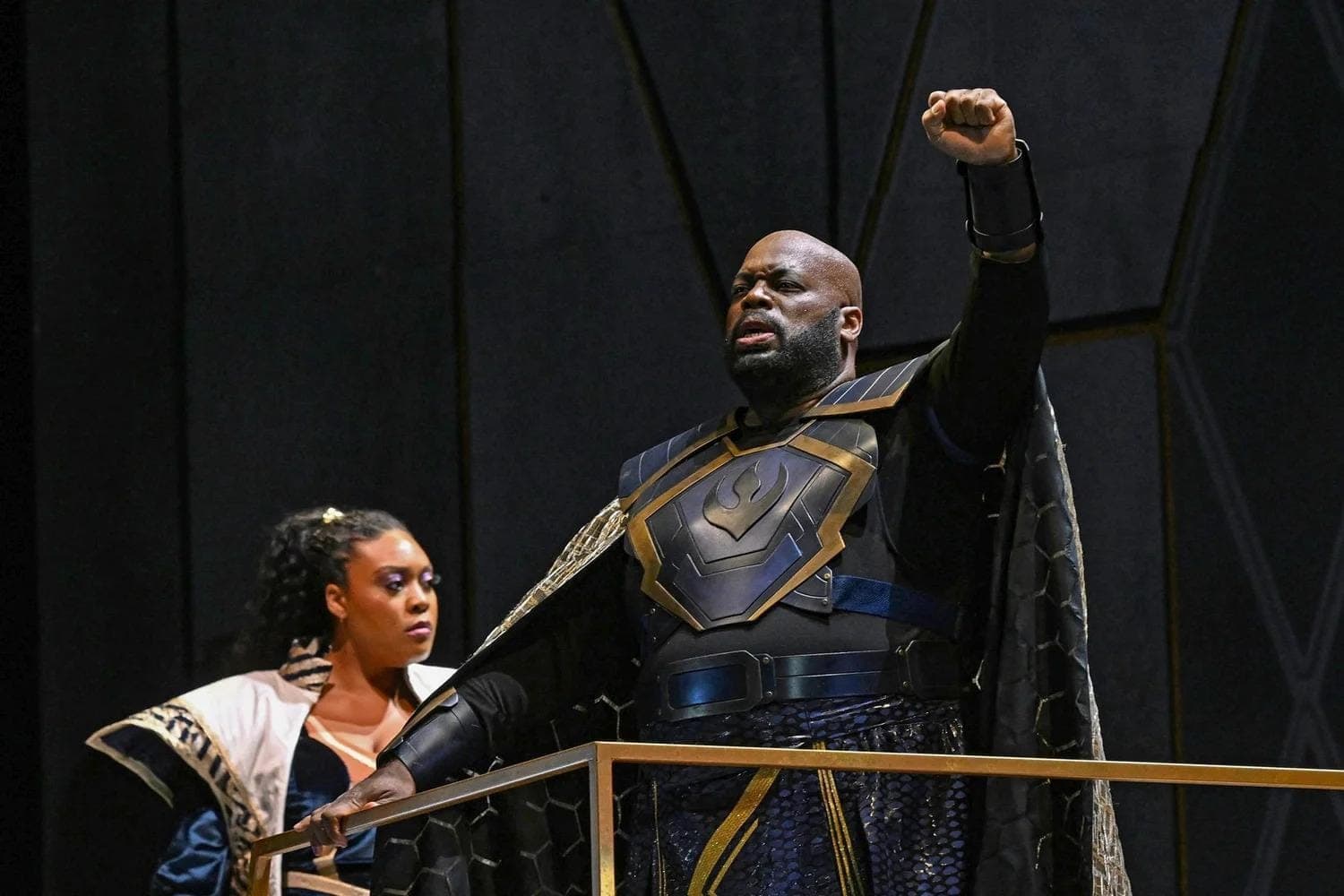
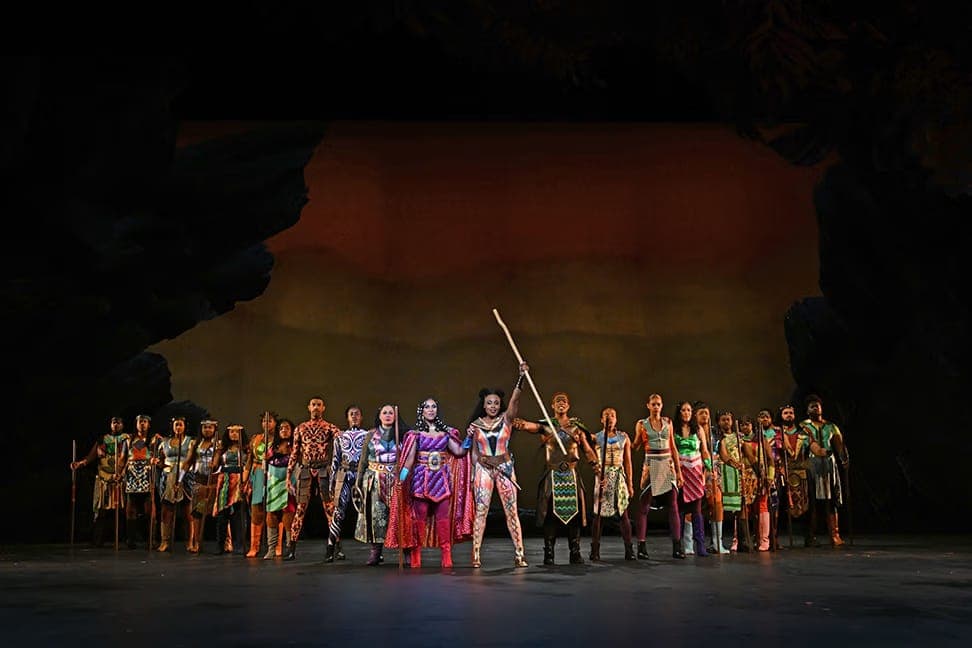
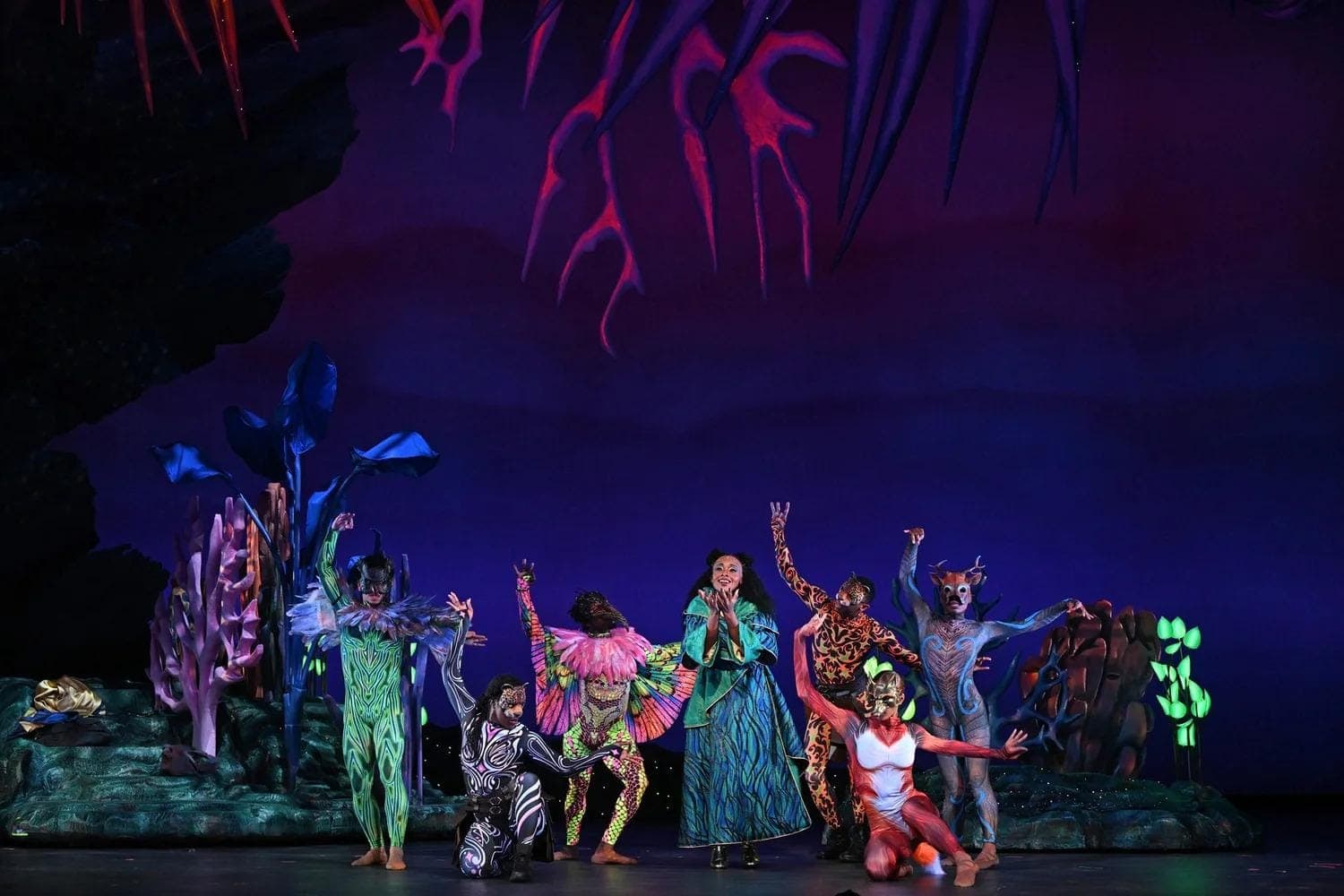
For years, Cincinnati Opera developed the Black Opera Project, a groundbreaking three-opera commissioning initiative to bring Black stories and Black creators to the operatic stage. In the summer of 2026, that vision became reality with the world premiere of Lalovavi, an Afrofuturist opera by composer Kevin Day and librettist Tifara Brown.
The Black Opera Project was designed to illuminate the resilience and heritage of the Black American experience while creating opportunities for artists of color. The initiative and the reality of it on stage represented a significant moment for Cincinnati Opera and for the broader cultural community.
I joined Cincinnati Opera as a summer communications intern working across communications, marketing, and strategy at this particularly significant moment. As a Black creative storyteller, avid anime and video game fan, and someone whose own creative work explores Black identity and representation, Lalovavi meant more. The opera’s Afrofuturist world, its use of Tutnese, a coded language developed by enslaved African Americans, and its focus on Black imagination gave me a personal connection to the story.
Rather than approaching the project solely as a communications assignment, I saw an opportunity to explore the people, communities, and cultural intersections behind the opera and to use those connections to expand how Cincinnati audiences could encounter the work. My role became one of storyteller, strategist, and connector: documenting the people behind Lalovavi, identifying community partnerships that could extend its reach, and creating communications opportunities that positioned the opera as more than a performance.
Humanize the project through storytelling
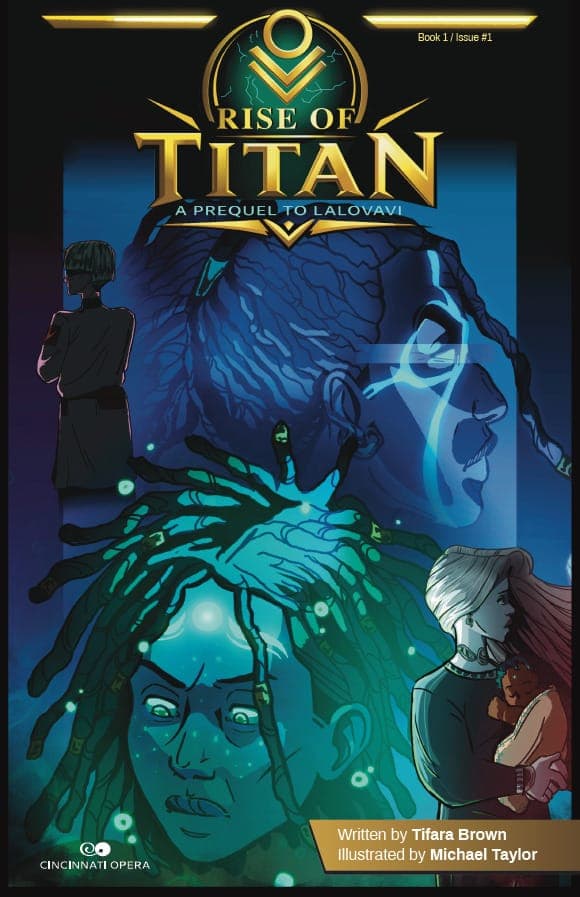
The Black Opera Project was a major institutional initiative, but its significance was best understood through the people who brought it to life. I sought to document the lived experiences, creative journeys, and motivations of the people behind Lalovavi, including librettist Tifara Brown and the world builder, Dr. Sam Martin.
My profile of Tifara Brown explored her journey from performance poet and storyteller to history-making librettist, tracing her relationship with Black Southern culture, oral storytelling, Afrofuturism, and cultural legacy. My interview with Dr. Sam Martin detailed her background and how she became the craftsman for the visual identity of Rise of Titan, the original comic book prequel to Lalovavi.
My interviews went beyond the basic production narrative:
- Who are the originators and pioneers of this work?
- What personal experiences brought them to opera?
- Why was this story important for them to tell?
- What does it mean to see an all-Black creative team and story on the operatic stage?
- How could audiences understand the cultural significance of Lalovavi beyond the theater?
Find the cultural intersections
Lalovavi existed at the intersection of several cultural worlds: opera, Black storytelling, Afrofuturism, anime and manga, sci-fi, fantasy, escapism, community, young Black professionals, and popular culture. Its anime and manga-adjacent visual language created a way to reach audiences who might not typically see themselves represented in opera.
Rather than treating those communities as an afterthought, I looked for organizations and cultural spaces where those connections already existed. That led to partnerships with:
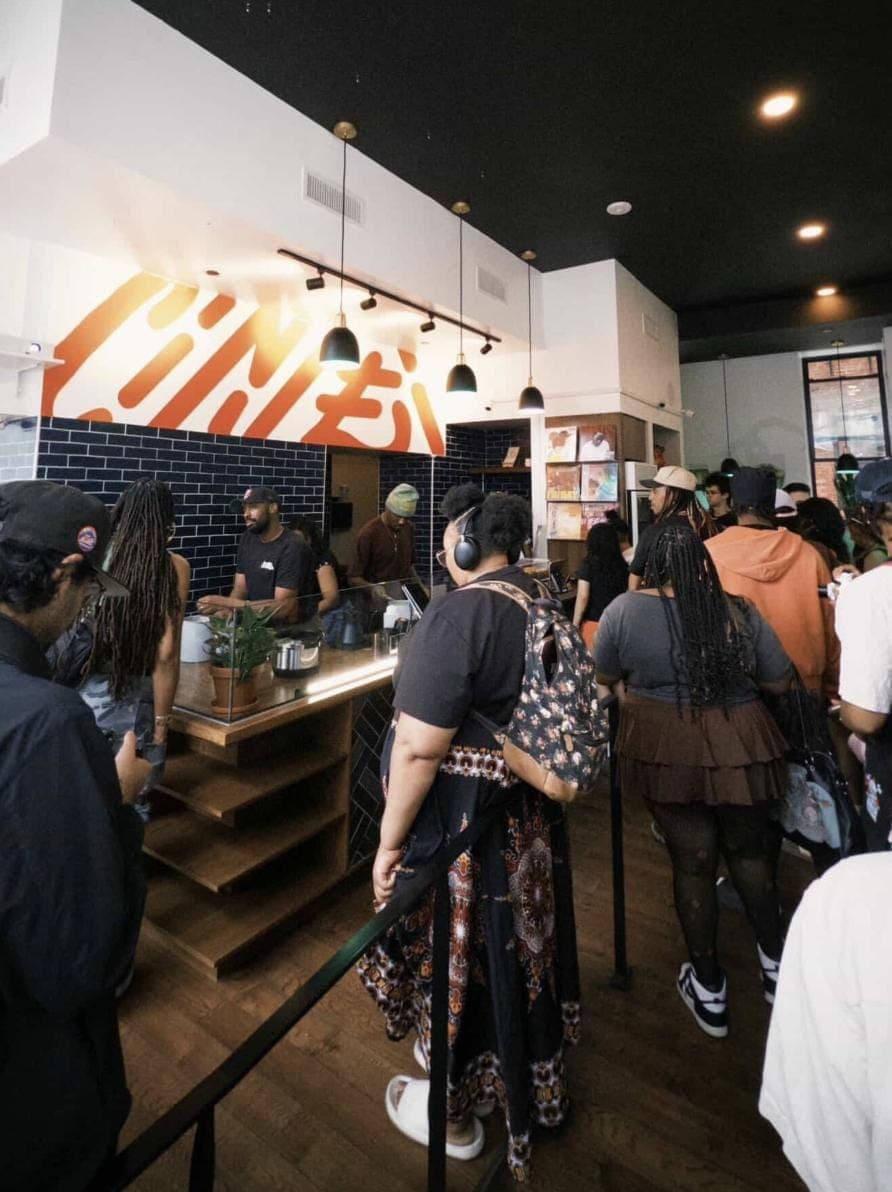
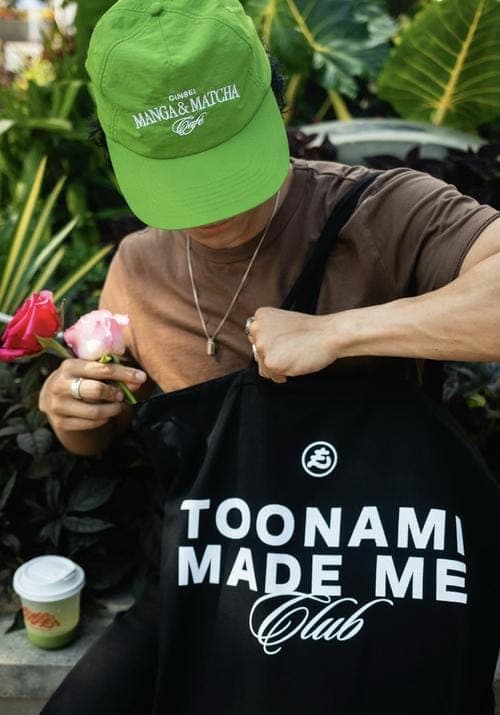
- CinSei: a Black-owned Cincinnati third space centered around anime, manga, community, and matcha.
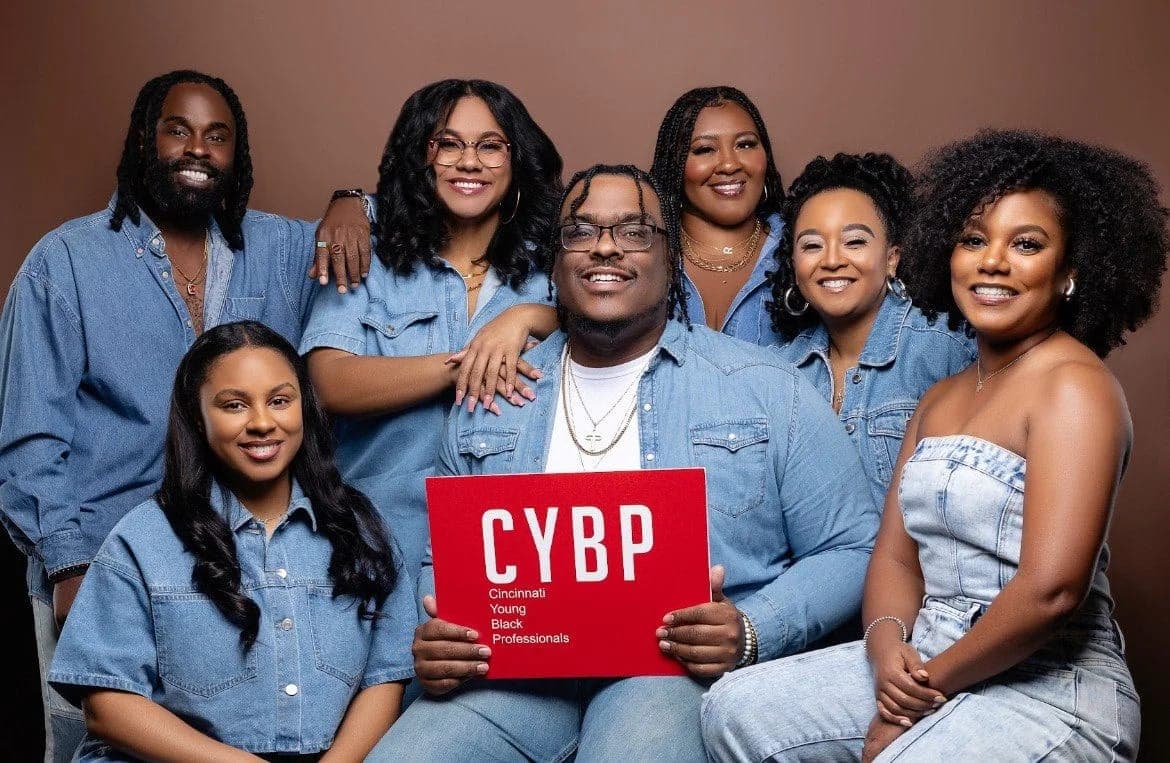
- Cincinnati Young Black Professionals (CYBP): an organization creating community, professional networking, and social opportunities for Black professionals in Cincinnati.
Turn partnerships into experiences
Rather than simply asking a community organization to promote a show, the strategy was to create an experience in which the community could engage with the creators. At a CinSei-hosted gathering, Tifara Brown and Kevin Day spoke with CYBP members about the origins of the opera, their creative process, and what they hoped audiences would experience at the world premiere.
This approach aligned with Cincinnati Opera’s larger belief that opera should be accessible to everyone and that the organization should meet communities where they are. The wider strategy combined:
- Human-centered storytelling, artist profiles, and interviews
- Community partnerships and cross-cultural audience development
- Editorial and media relationships
- Social and digital storytelling
- Community-facing events
- Positioning Lalovavi beyond traditional opera audiences
Results
Lalovavi premiered successfully during Cincinnati Opera’s 2026 Summer Festival. The production sold out and generated a profit for Cincinnati Opera, demonstrating that a project centered on Black stories and creators could create both cultural impact and commercial value.
The result was particularly meaningful because the communications strategy did not depend on treating Black audiences as a niche market. Instead, it positioned Lalovavi as a culturally significant work with multiple points of entry for audiences across Cincinnati. The Community Open Dress Rehearsal programming connected Brown and the creative team with young people, including workshops at the Hamilton County Youth Center that inspired students to create original rap songs based on the Lalovavi story and their own experiences.
The Black Opera Project demonstrated the power of communications when it moves beyond broadcasting information and begins creating connections.
- Interviewed and documented key creative voices behind Lalovavi
- Identified and helped establish a collaboration between Cincinnati Opera, CinSei, and CYBP
- Connected the opera’s creative team with Cincinnati’s Black professional community
- Approached marketing as community building rather than a purely promotional function
- The opening show was spectacular, and the second show sold out